Email Newsletter
You’re only as old as your spine!
October 6th was Back Care Awareness Week, and we have a saying in yoga which goes “You are only as old as your spine”. If you stop to think about it for a moment, your spine does a pretty amazing job! It supports you in an upright position, against the force of gravity and it also manages to balance a very heavy (10 – 12 lbs) large ball on top of its small cervical vertebrae.
There are 24 vertebrae in the spine: 5 lumbar, 12 thoracic, 7 cervical.
- Low back painprobably affects around one-third of the UK adult population each year. Of these, around 20% (1 in 15 of the population) will consult their GP about their back pain.
- Back pain is the largest single cause of disability in the UK, with lower back pain alone accounting for 11% of the total disability of the UK population.
- An estimated three million peopleare taking long-term sick leave or say they are unable to work due to back pain according to research from Nuffield Health. (2015)
So why do we have so many problems with our spine? Your spine should be able to move in the following ways: Forward bends, Backward bends, Sideways bends and Twists.
Everything is connected to your spine (everything in or body is connected to everything else via fascia or connective tissue) so if your spine is tight or weak in a certain area this may have a knock-on effect to the muscles and organs in the surrounding area. If we don’t keep it moving and maintain its strength and flexibility, then we can end up with issues and are more likely to pull muscles when we lift objects and twist at the same time. Add to that the fact that the average westerner sits for 14.6 hours a day on a chair of some description (which means you don’t use the core muscles of your abdomen and back to support you and compress the base of your spine) and you can see the pressure we put our spines under. Can you add up how many hours today you were sitting?
What can we do to “care” for our spines?
1. Keep it both strong and flexible
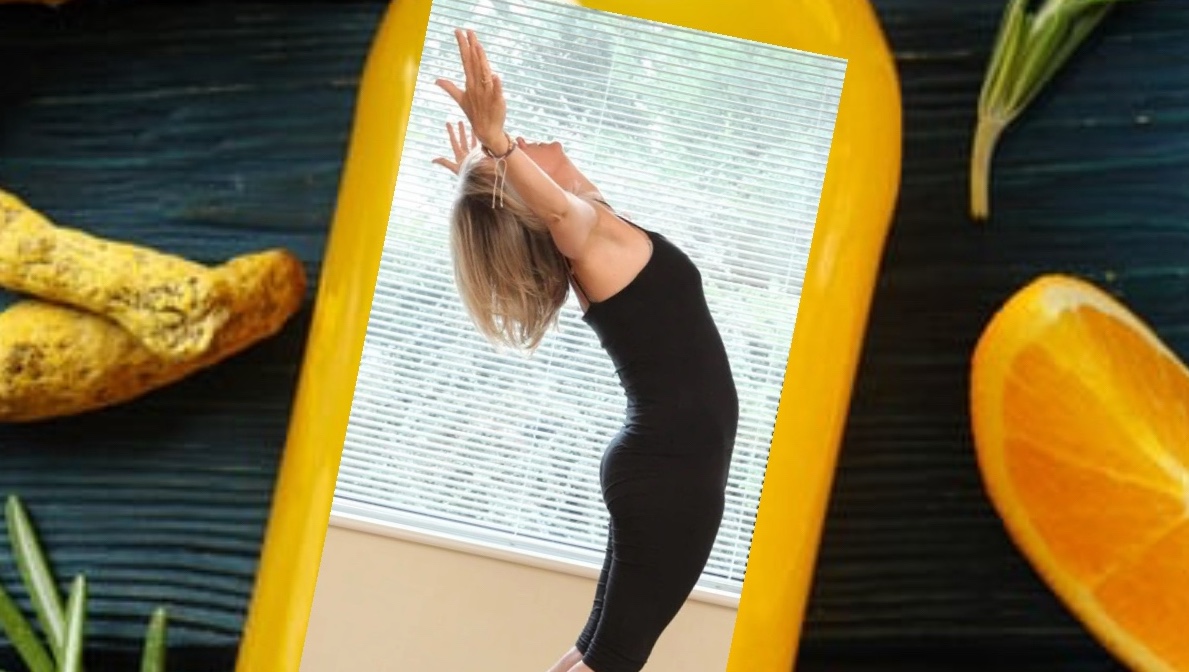
Yoga, Pilates. Tai Chi and Qi Gong are perfect examples of mind body movement that can be of huge benefit to people with back issues. The core strengthening exercises of Pilates work wonders on your posture and help prevent pressure being put on the lumbar spine through weak abdominal muscles and the core exercises in yoga together with back bends, forward bends, twists and hip openers keep the whole of the pelvis and spine strong and flexible.
Here are my favourite poses to try:
- Standing Forward Bend – releases the lower back and stretches the hamstrings which if tight can pull on the lumbar spine causing back pain.
- Cobra – strengthens the muscles of the lower back whilst also bending backwards to stretch the front of the body and open the shoulders and chest.
- Lying Twist – stretches all the muscles of the spine from the neck down to the lower back and also releases tight shoulders, opens the front of the chest and allows the hips to release.
- Pigeon pose – a great hip opener that helps release a tight piriformis muscle which can be another cause of back pain and sciatica.
- Squat – what every other culture in the world does instead of sitting in chairs – no compression in the lumbar spine, open hips, strong thighs and flexible knees and ankles.
- Boat and ½ Boat pose – works to strengthen the lower abdominal muscles which support your spine and prevent you putting pressure on your back.
If you can spare just 15 mins a day to do some of these simple poses, then you will be well on the way to preventing many back issues as you get older.
2. Drink more water
Did you know that your body is so clever that it will take the water it needs for the essential processes of pumping blood from the heart and keeping brain alive from other less important areas of your body? One of the key areas that suffer if we are dehydrated is our spinal discs and the synovial fluid in our joints.
Dehydration can cause back pain by causing the spinal discs to lose water, which makes them less effective at absorbing shock and can lead to pain. It can also lead to increased muscle stiffness and reduced flexibility.
How dehydration affects your spine
- Spinal discs: The discs between your vertebrae are about 75% water. When you are dehydrated, these discs can lose water and shrink, making them less effective at cushioning the vertebrae. This can cause the bones to rub against each other and lead to pain.
- Muscle function: Dehydration can cause muscle cramps and stiffness, which can affect the muscles supporting your back and contribute to pain.
- Shock absorption: When spinal discs are not properly hydrated, your spine can’t handle the shock of your movements as well, leading to increased stress on your back.
Global research on dehydration and back pain
- Exacerbated pain perception: A 2016 study, demonstrated that mild hypohydration (voluntary dehydration) can increase a person’s pain sensitivity. This suggests that low fluid intake can heighten the perception of existing back pain.
- Effect on muscles: Dehydration can cause muscles, including those supporting the spine, to cramp and stiffen, leading to pain and pressure on the spinal column.
- Correlated experiences: A 2022 cross-sectional study found that a majority of young adults experiencing low back pain believed there was an association between their pain and dehydration. Many also reported an episodic increase in pain during the summer months.
The answer is obvious – stay well hydrated and remember when you feel thirsty it may already be too late and that often we mistake thirst for being hungry. Filtered water or herbal teas are best and remember caffeine and alcohol is very dehydrating.
Look after your spine, it’s the only one you have and you are going to need its support the whole of your life!
 I regularly run Yoga & Wellbeing Workshops and I have one specifically on Arthritis, Back & Joint Pain – check out my website on www.carolebaker.co.uk to see when the next one is scheduled.
If you would like a free hand out on any of these yoga poses then please email me:
enquires@carolebaker.co.uk. Alternatively you can watch free instructional videos on www.carolebaker.co.uk/videos
Please be advised the health suggestions contained in this article are only the personal opinion of Carole Baker, they do not constitute medical advice. Please always consult your GP before taking any alternative or complementary remedies, particularly if you are currently on prescription medication. Please ensure you always see a professionally qualified and insured complementary therapist or teacher.