
Email Newsletter
Make friends with bacteria!
Science is once again proving that sometimes the old ways are the best looking after the good bacteria in your gut is a sure way to improve all aspects of your health.
Your Gut Micro biome is one of the most important things you can nurture as it has links with many states of “dis-ease” in the body including your mood. Ancient cultures, at this time of the year, had to preserve their foods for the winter and fermenting and pickling was a key way to prevent spoilage but we also now understand that the bacteria in these fermented foods are critical to our immune system.
Following on from my column last month on the overuse of Antibiotics, I would like to help you understand the importance of eating a well balanced and varied diet containing lots of different fruits, vegetables, nut and seeds, meat or fish if you choose occasionally and a wide range of fermented foods.
Human Microbiome Project
This project has discovered an amazing fact: There are 10 times as much DNA found in the bacteria that inhabit our bodies than the number of genes and DNA that complete our own genetic makeup. The community of bacteria that colonise our digestive tract is referred to as a microbiome and the diversity of bacteria is as unique to each individual as we are physically and genetically different. The increase of bad bacteria and decrease of friendly bacteria correlate to numerous types of health problems and disease.
PROBIOTICS: Live Microorganisms often Bacteria or Yeast. Available as food supplements or contained within foods that have live cultures or are fermented like yoghurt, kefir, kombucha, pickles, kimchi, sauerkraut, miso, sour dough bread.
PREBIOTICS: Natural fruits and vegetables high in fibre (see list below) that act as friendly food for the good bacteria in your gut.
Prebiotic foods are one of the most important things we can focus our nutrition around with numerous health benefits such as improving digestion, inhibiting cancer, enhancing the immune system, and preventing obesity and have also been shown to reduce symptoms of bowel related issues such as ulcerative colitis, Crohn’s disease, irritable bowel syndrome and coeliac disease. Some new studies are beginning to observe that prebiotics may also play a role in endocrine or hormone health and may even provide even more health benefits to the brain than currently understood
Both prebiotics and probiotics nurture the good bacteria required by the digestive tract for proper health beginning at the mouth. Probiotics are live, active cultures capable of multiplying in numbers whereas prebiotics serve as the food source for probiotics and do not grow or reproduce.
The difference between probiotics and prebiotics can be understood using a plant analogy. If the intestine is comparable to a flowerbed, probiotics are the individual seeds that you plant. Prebiotics work like fertilizer used to promote growth of the flowers or probiotics. As the flower thrives, it will pollenate and multiple in time.
If you start out with fresh soil containing no flowers, it makes sense that you should first plant seeds and then add fertilizer. The same can be said in regards to creating a healthy intestinal environment for friendly bacteria to flourish. Remember, what purpose does it serve to add fertilizer to a flowerbed with limited or no flowers to grow?
Antibiotics Deplete Your Supply: they reduce intestinal microbial populations and may completely deplete some species of friendly bacteria. So after you have a well-nourished flower bed, the dog decides he is going to dig up the flowers and leave gaping holes with missing soil.
The Synergism of Prebiotics and Probiotics
The combination of prebiotics when taken daily with probiotics has a synergistic health advantage. After all, why would you only plant seeds and not add fertiliser or vice versa? The nutritional supplementation of the two combined is called synbiotics
How your gut bacteria affects your health:
- Immunity: provides a physical barrier to invasive microbes
- Vitamins: bacteria synthesise Vit B’s and K and help absorption of Iron and Calcium
- Metabolism: allows us to digest food better
- Inflammation: bacteria play a key role in many inflammatory diseases
- Autism: research shows a link with low gut bacteria diversity
Food Sources of Prebiotics
Prebiotics are made up of nondigestable carbohydrates (fibre) that are used by bacteria in the colon to produce measurable health benefits. Naturally found in food, a prebiotic is not broken down or absorbed by the gastrointestinal tract. Beneficial bacteria use this fibre as a food source
- Bananas
- Garlic
- Chicory Root
- Dandelion Greens
- Jerusalem Artichoke
- Asparagus
- Yams
- Beetroot
- Sweet potatoes
- Pumpkin seeds
- Quinoa
- Honey
- Dark Chocolate (70%+)
Inulin and oligosaccharides are short-chain polysaccharides, or chains of carbs, which act at different locations in the colon ensuring, complete intestinal health. By increasing and maintaining the populations of good bacteria, the body is less susceptible to pathogenic bacteria and yeast that can lead to a diverse range of negative health consequences.
Decreasing inflammation of the intestine and supporting an environment for healthy bacteria to thrive decreases the risk of many dis-eases.
Recommendations
The diversity of every individual’s gut microbiome is as varied as our genetic differences.
After all, there are too many factors to count that affect the bacteria living within and on us. From the freshness and availability of foods provided to us based on our geographic location to the environmental factors that we were exposed to during our upbringing such as antibiotics, immunisations and whether or not we were fed breast milk or infant formula all play a role in determining the concentration and type of good and bad bacteria.
Start Small and Work Up: If you start a prebiotic or probiotic regimen, begin first by taking small doses and gradually increase to the recommended use. This will help you avoid abdominal discomfort or diarrhoea that may result.
Consume Both Fermented Foods and Prebiotic Foods: Although there are certain circumstances that are best suited for probiotic supplementation, researchers best recommend the combination of both probiotics and prebiotics in your daily diet. Consuming high quality fermented foods such as kimchi, sauerkraut, pickles, etc. is the best way to do this!
Only buy Probiotics from a specialist like www.biocare.co.uk or visit your local independent health food shop.
I regularly run Yoga & Wellbeing Workshops and I have one specifically on Digestion, Detox & Rebalance – check out my website on www.carolebaker.co.uk to see when the next one is scheduled.
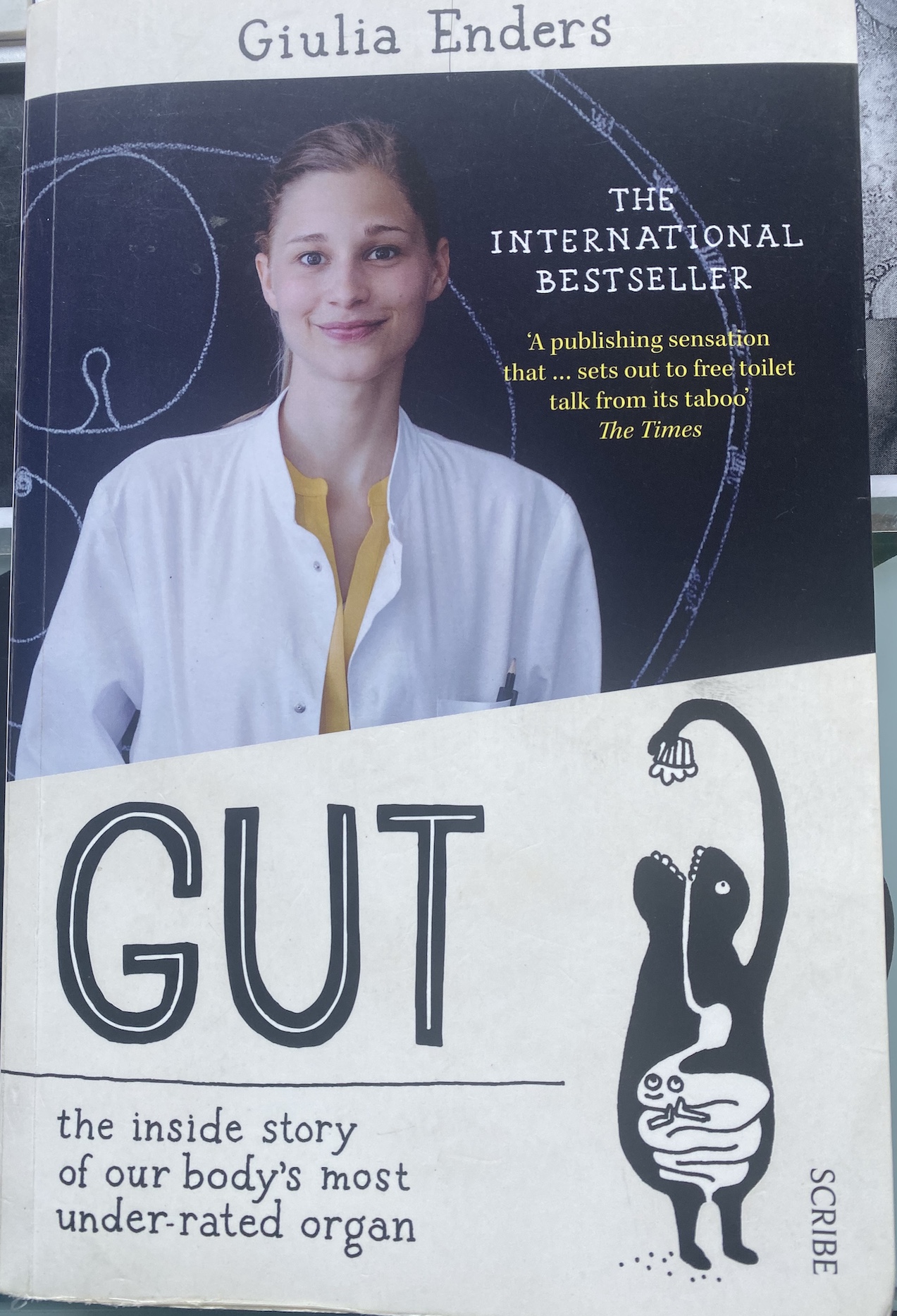 Books to read:
- GUT by Giulia Enders
- The Clever Guts Diet by Dr Michael Mosley
- The Diet Myth by Professor Tim Spector
Check out Dr Chaterjees website https://drchatterjee.com/ and listen to some of his fabulous podcasts
With thanks to https://drjockers.com/ for some of the content
Please be advised the health suggestions contained in this article are only the personal opinion of Carole Baker, they do not constitute medical advice. Please always consult your GP before taking any alternative or complementary remedies, particularly if you are currently on prescription medication or suffer from a health condition. Please ensure you always see a professionally qualified and insured complementary therapist or teacher.