THE POWER OF AROMATHERAPY OILS TO REBALANCE YOUR HEALTH & WELLBEING.
Aromatherapy is the use of essential oils, extracted from the flowers, fruits, leaves, stems and roots of flowers, shrubs and trees. The oils are usually obtained by steam distillation.
Research has shown aromatherapy to be effective for stress-related conditions, insomnia and emotional problems amongst other things.
How to use oils
They should be used sparingly and never applied undiluted to the skin (except in the case of lavender on burns and tea tree on stings or small cuts) or used near the eyes. For the best results, buy the best quality, pure, organic oils. The oils should be stored in a cool, dry place, out of the reach of children.
How to use individual Essential Oils
Inhalation – place 1 to 5 drops on a handkerchief, in a vaporiser or diffuser, or on a light-bulb ring & inhale aroma.
Baths – add 4-6 drops of essential oil to 1 tsp (5ml) of carrier oil (sweet almond or wheatgerm), stir in bathwater.
Massage – add 1 – 5 drops of essential oil to 1 teaspoon (5ml) of carrier oil & massage into the affected area. Carrier oils include sweet almond, wheatgerm, olive oil, apricot kernel, avocado or other plant or vegetable oils. Warming the oil increases absorption.
Compresses – add 3-5 drops of essential oil to 300ml of hot/warm water. Soak a clean flannel or soft cloth in the water, wring out and apply to affected part of the body (cold for bruises, sprains, headaches; warm for abscesses, boils, period pains, cystitis). Repeat two to three times a day until the condition improves.
Steam treatments – add 1-2 drops of essential oil to a medium-sized bowl of freshly boiled water. Cover head with cloth, lean over the water and inhale the steam, taking care to keep the bowl steady and to not get too close to the water to prevent scalding.
Gargles and mouthwashes – add one to three drops to a tumbler of water and stir vigorously before gargling or rinsing round the mouth. Spit out – don’t swallow.
Essential oils shouldn’t be taken internally. Dosages should be halved for children; professional advice should be sought for babies. Some oils shouldn’t be used if you’re epileptic, asthmatic, hypertensive or pregnant.
Where to buy them from: Absolute Aromas have a great Amazon Page – see link here or choose an Independent Health Food Shop
LIST OF MY FAVOURITE ESSENTIAL OILS
Geranium Pelargonium graveolens
Properties: a mild sedative, so can be useful in treating emotional and stress-related conditions such as anxiety, mood swings and general apathy. Also anti-inflammatory, astringent and antiseptic and is commonly used as a skincare oil.
|
Usage |
What it’s good for |
|
Diluted and applied to skin |
Congested pores, oily complexions, acne, dermatitis, eczema, burns, nappy rash, blisters and wound healing. It can also be used to discourage mosquitoes, head lice and the spread of ringworm. |
|
In massage, added to bathwater and in a vaporiser/burner |
Easing PMS (especially fluid retention and swollen breasts) and menopausal symptoms (especially hot flushes), postnatal depression, cellulite, poor circulation, cystitis, arthritis, sore throats, bruises, broken capillaries and haemorrhoids. |
Caution: may irritate very sensitive skin. Shouldn’t be used in the first three months of pregnancy and not at all if there’s a history of miscarriage.
Jasmine Jasminum officinale
Properties: anti-inflammatory, antiseptic, analgesic, antispasmodic, tonic and expectorant. Also a powerful natural antidepressant and can produce feelings of optimism and euphoria.
|
Usage |
What it’s good for |
|
In a vaporiser or added to bathwater |
Easing catarrh, coughs and sore throats and relieving menstrual problems, uterine disorders, muscular spasms and sprains. Also lifts apathy, restores confidence, reduces stress and is an aphrodisiac. |
|
Diluted and applied to skin |
Dry, irritated, sensitive or inflamed skin. |
Caution: may cause skin irritation and gives some people a headache. Should also be avoided during pregnancy.NB: because pure jasmine oil (jasmine absolute) is very expensive, many over-the-counter jasmine oils are adulterated and diluted with carrier oils. For the pure oil, it’s best to order direct from an essential oil supplier.
Lavender Lavandula officinalis
Properties: relaxant, antiseptic, antibacterial, antidepressant, decongestant, detoxifying, diuretic and restorative. One of the most popular oils with a multitude of uses.
|
Usage |
What it’s good for |
|
Added to bathwater |
Soothing tension and headaches, relieving stress and lifting depression. |
|
In a vaporiser/burner |
Nervous system disorders, such as anxiety and insomnia and also shock, vertigo, hypertension and migraine. |
|
One to two drops of the neat, or diluted, oil rubbed into the skin or applied as a compress |
Acne, boils, sores, spots, psoriasis, bruises, burns (including sunburn), dermatitis, eczema, athlete’s foot, ringworm, scabies, insect bites and stings. It can also be used as insect repellent. |
|
Massage (diluted in a carrier oil) |
Easing digestive symptoms such as colic, flatulence, abdominal cramps and indigestion, menstrual pain, cystitis, aches and pains, and stimulating circulation. |
|
A few drops added to shampoo |
Treating dandruff and warding off head lice. |
|
Steam inhalation |
Easing coughs, colds and congestion. |
Caution: may cause skin irritation through repeated use, especially if used undiluted or in highly concentrated form. Avoid in early pregnancy if there’s a history of miscarriage. Those who suffer with hay fever or asthma may be allergic.
Peppermint Mentha piperita
Properties: astringent, anti-inflammatory, antiviral, antiseptic and an expectorant.
|
Usage |
What it’s good for |
|
Added to a vaporiser/burner or diluted and rubbed into skin |
Bronchitis, catarrh, sinusitis, asthma, spasmodic coughs and sore throats. Eases mental fatigue, nervous stress and palpitations. Also an insect repellent. |
|
Massage or added to bathwater |
Nausea, diarrhoea, neuralgia, indigestion, colic, stomach cramp, dyspepsia, flatulence and travel sickness. |
|
Applied to skin (diluted) or as a compress |
Oily skin, acne and dermatitis, ringworm, scabies, toothache, headache and muscle fatigue. |
|
As a mouthwash (diluted) |
Bad breath. |
Caution: not to be used during first three months of pregnancy. Can irritate skin, so dilute well; don’t swallow when using as a mouthwash. Don’t use while taking homeopathic remedies.
Rosemary Rosemarinus officinalis
Properties: antiseptic, antibacterial, antifungal, diuretic, astringent and a relaxant. Has a stimulating effect on the circulation.
|
Usage |
What it’s good for |
|
Steam inhalation or few drops on a handkerchief |
Colds, catarrh and nasal congestion. |
|
Diluted and applied to skin |
Skin conditions, such as dermatitis and eczema. |
|
Massage (diluted with a carrier oil) |
Into the temples to ease headaches, into the chest to clear phlegm and into the joints and muscles for sprains, strains and pain, into the abdomen to ease indigestion, flatulence, irritable bowel, constipation and menstrual cramps. |
|
Added to bathwater |
Relieving exhaustion and stress. |
|
In a burner |
Insect repellent. |
|
Few drops added to shampoo |
Cleansing hair and preventing head lice. |
|
Few drops diluted and rubbed into scalp |
Encouraging hair growth and alleviating dandruff and greasy hair. |
Caution: shouldn’t be used during pregnancy or by those with epilepsy, high blood pressure or insomnia. May irritate sensitive skin.
Sandalwood Santalum album
Properties: antiseptic, antibacterial, expectorant, antidepressant, sedative, tonic and an aphrodisiac.
|
Usage |
What it’s good for |
|
Steam inhalation |
Dry, persistent coughs, catarrh, bronchitis and sore throats. |
|
In a vaporiser/burner |
Easing nervous tension, stress, depression and insomnia. |
|
Added to bathwater or basin water |
Alleviating itching, inflamed and sensitive skin, dry, cracked and chapped skin, acne, greasy skin, psoriasis, eczema and shaving rash and can help ease urinary infections such as cystitis and urethritis. |
Caution: may occasionally cause irritation for those with sensitive skin.
Tea tree Melaleuca alternifolia
Properties: a powerful, natural antiseptic. Also antifungal, antibacterial, antiviral and anti-inflammatory.
|
Usage |
What it’s good for |
|
Applied neat to the skin or added to dressings and compresses |
Abscesses, blisters, cuts, warts, pimples, burns, insect bites and stings, cold sores, dandruff, herpes, oily skin, rashes (including nappy rash), acne, blackheads, verrucae, wound healing, athlete’s foot and ringworm. |
|
Steam inhalation, in a vaporiser/burner |
Relieving coughs and colds, catarrh, sinus infections, throat infections, fever, flu, bronchitis, asthma and whooping cough. |
|
Added to bathwater |
Easing uro-genital infections such as vaginitis, cystitis, pruritis and urethritis. |
|
Added to water for mouthwash |
Gum inflammation or bleeding, mouth ulcers and bad breath, and oral thrush. |
|
few drops (diluted) on tampon |
Vaginal thrush. |
Caution: may cause skin irritation when applied neat. Often sold adulterated; check labels for purity.
Ylang-ylang Cananga odorata
Properties: sedative (to the nervous system) and stimulant (to the circulatory system), antidepressant and an aphrodisiac.
|
Usage |
What it’s good for |
|
Added to bathwater, or in a vaporiser/burner |
Relieving stress-related disorders, such as insomnia, depression, anxiety and nervous tension, high blood pressure and palpitations. |
|
Massage |
Easing skin complaints such as acne, irritated, dry or oily skin, insect bites and stings. |
|
Scalp tonic |
Promoting hair growth and regulating a dry or greasy scalp. |
Caution: can cause nausea or headache if not diluted enough; is best used in moderation.
.
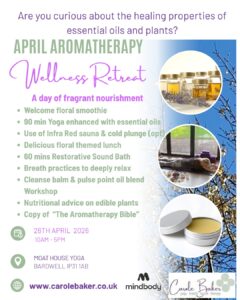
For more info on the power of Aromatherapy Oils and to experience a Yoga Practice and Sound Bath enhanced with essential oils, plus make your own cleanse balm and pulse point oil blend, then come along to my Aromatherapy April Retreat Day click here